/ Federal Democratic Republic of Nepal
Overview
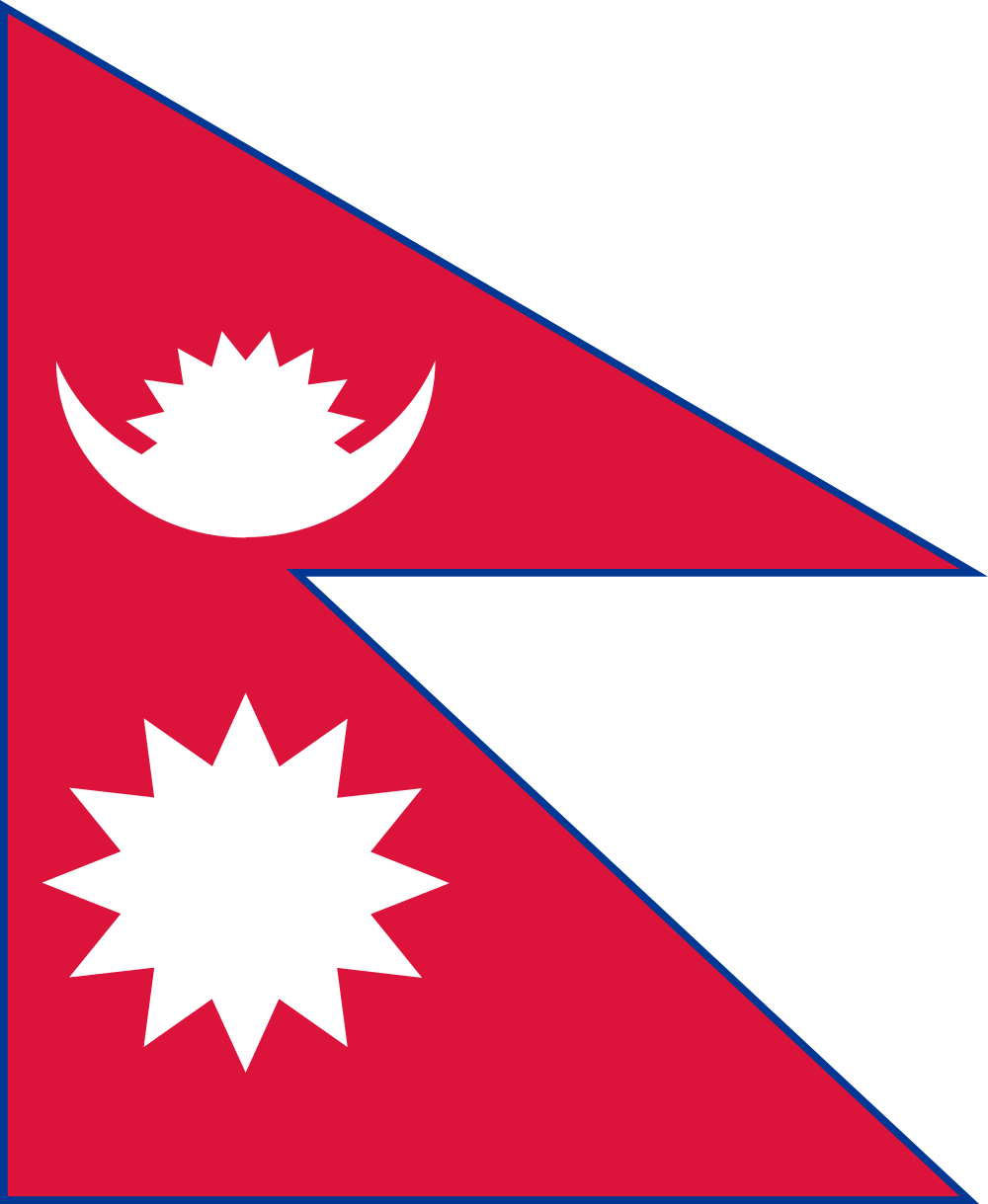
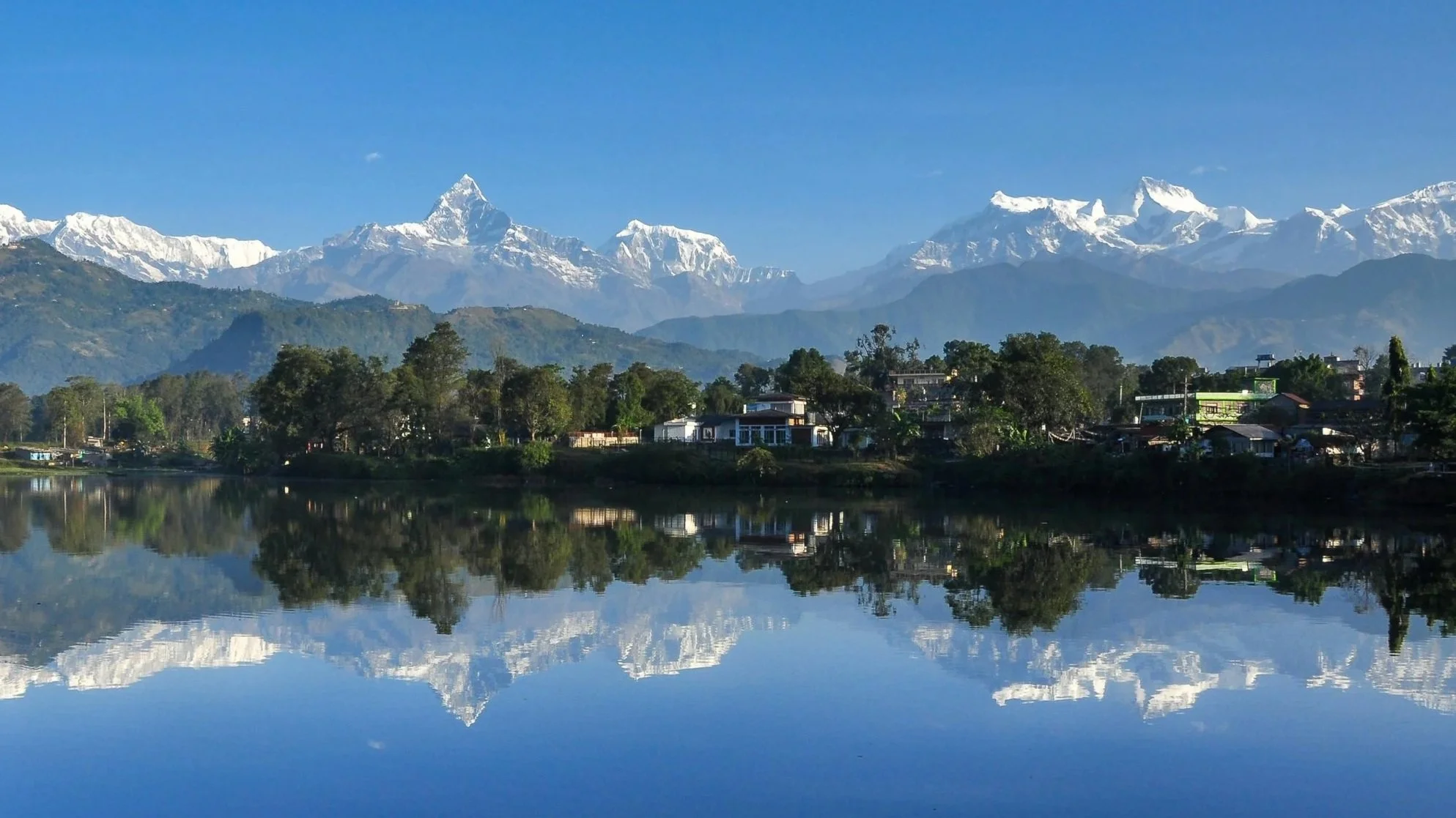
Nepal is a landlocked country located in South Asia, situated primarily in the Himalayas and bordered by China (Tibet) to the north and India to the south, east, and west. It covers a total land area of approximately 147,516 square kilometers and has an estimated population of 31.4 million as of February 2026. The country is a federal parliamentary republic administratively divided into seven provinces and 77 districts, with Kathmandu serving as the capital and largest metropolitan hub.
In 2025, the GDP reached approximately US$44.1 billion, and per capita GDP was US$1,420. Nepal's economy is heavily dominated by the service sector, which accounts for c.53.1% of its GDP, including trade, real estate, and financial services. Private consumption—largely fueled by workers' remittances—and government investment in hydropower are the primary drivers of economic growth. The country’s economy is deeply integrated with India, which serves as its largest trading partner and provider of transit facilities. Its largest trading partners are India, China, the United States, Indonesia, and the United Arab Emirates. Nepal produces significant quantities of agricultural products such as rice, maize, and tea, and is a growing exporter of electricity and cement. The expansion of hydropower capacity (aiming for 10,000 MW export by 2034) and the digital economy are expected to be major future growth drivers. Additionally, the tourism sector has reached historic highs, contributing c.7.1% to the GDP in 2025 with arrivals exceeding 1.2 million. The country's industrial sector represents approximately 13.9% of its GDP, while the agricultural sector accounts for c.23.9% of GDP and employs about 60% of the total labor force of 16.2 million. Imports of refined petroleum, iron and steel, and machinery are among the highest in the country, with top import partners being India, China, and Indonesia.
Nepal has a rich history as the birthplace of Lord Buddha and a long-standing independent monarchy that was unified in the late 18th century by Prithvi Narayan Shah. After a decade-long civil war and a historic transition, the nation abolished its 240-year-old monarchy in 2008 and adopted a new federal constitution in 2015. Since then, Nepal has focused on institutionalizing federalism and leveraging its strategic position between two global powers to achieve sustainable economic development.