/ Independent State of Papua New Guinea
Overview
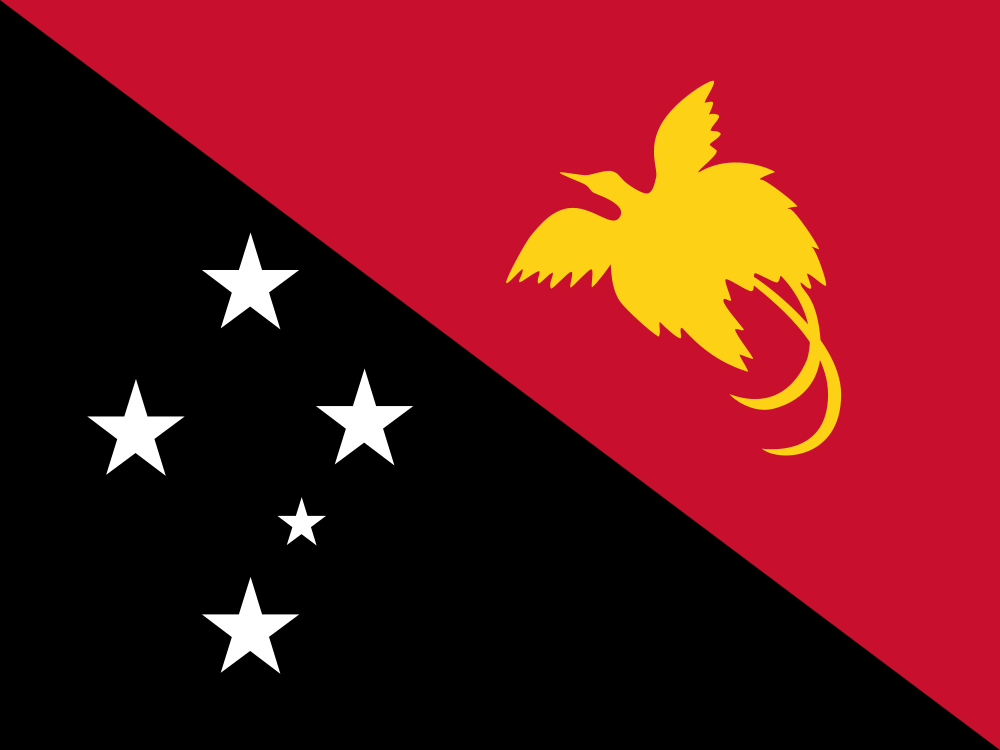
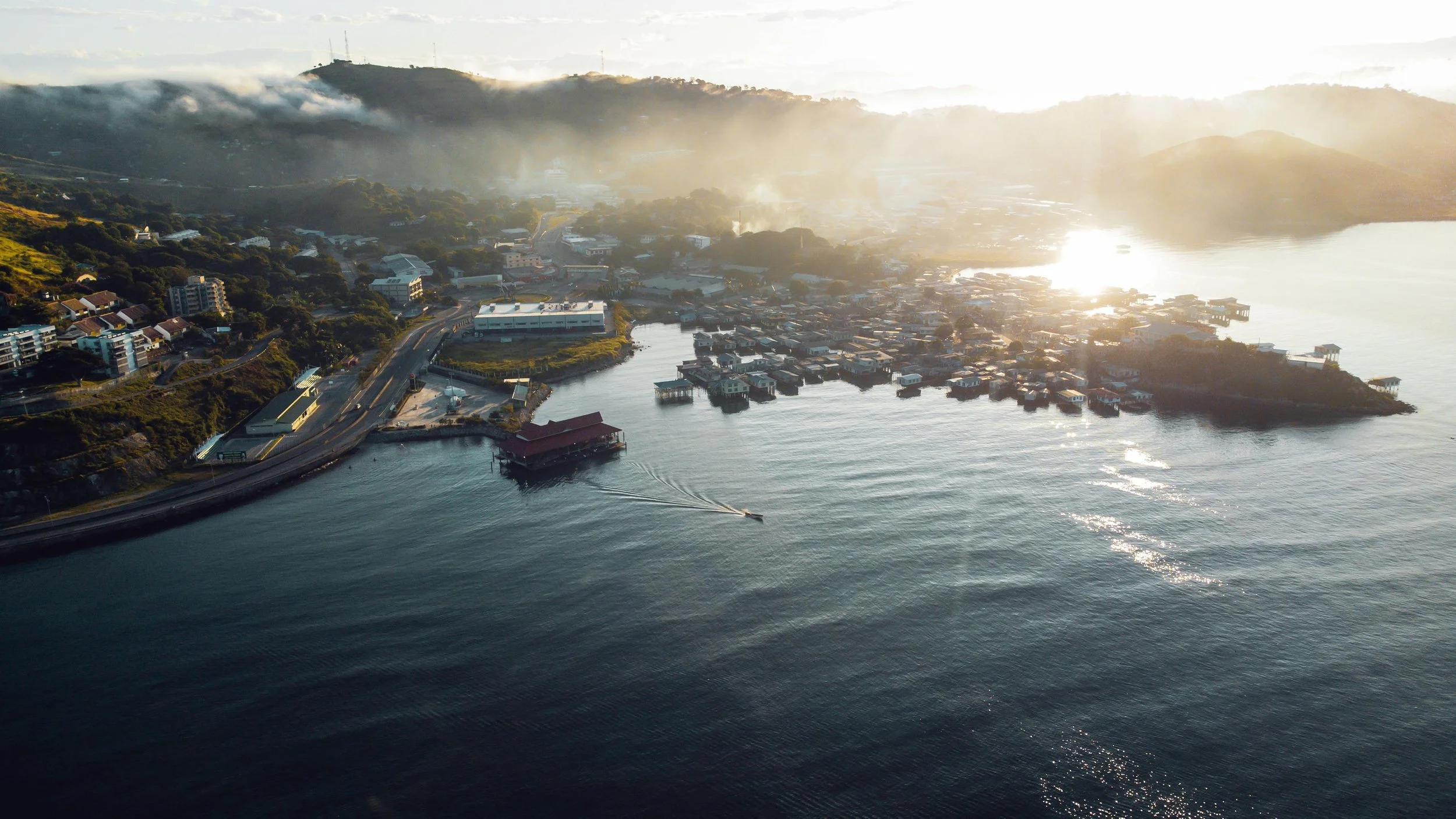
Papua New Guinea is a country located in Oceania, occupying the eastern half of the island of New Guinea and numerous offshore islands in Melanesia. It shares a land border with Indonesia to the west and is situated north of Australia and west of the Solomon Islands. Papua New Guinea covers a land area of approximately 462,840 square kilometers and has an estimated population of 10.6 million as of February 2026. The country is a constitutional monarchy and a Commonwealth realm, administratively divided into 22 province-level divisions, including the National Capital District, where the capital city, Port Moresby, is located.
In 2025, the GDP reached approximately US$32.1 billion, and the per capita GDP was US$3,010. Papua New Guinea's economy is dualistic, heavily dominated by the extractive industrial sector, primarily gold, copper, and liquefied natural gas (LNG), which accounts for c.25% of its GDP and the vast majority of export earnings. However, the agricultural, forestry, and fishing sector accounts for c.18% of GDP and provides a livelihood for approximately 80% of the population through subsistence and semi-commercial farming. The country is a major global supplier of gold, copper, palm oil, coffee, and cocoa. Its largest trading partners are Australia, China, Japan, and South Korea. The "Papua LNG" project and the "Wafi-Golpu" mining venture are expected to be major future growth drivers. Additionally, the government has prioritized the "Connect PNG" infrastructure program to improve domestic trade links. The country's industrial sector represents approximately 37% of its GDP, while the service sector, driven by construction and public administration, accounts for c.45% of GDP. Imports of refined petroleum, heavy machinery, and rice are among the highest in the country, with top import partners being Australia, China, and Singapore.
Papua New Guinea has one of the most diverse cultures in the world, with over 800 indigenous languages spoken. The island has been inhabited for at least 50,000 years, with the highlands being one of the few places on Earth where agriculture developed independently. After periods of German and British colonial administration, the territory was governed by Australia following World War I. Papua New Guinea gained full independence on September 16, 1975. Since then, the nation has maintained a parliamentary democracy while navigating the complexities of integrating traditional tribal social structures with a modern state system. In 2025 and 2026, the country has increasingly focused on balancing strategic security partnerships with Australia and the United States alongside expanding economic ties with China.