/ Republic of Korea
Overview
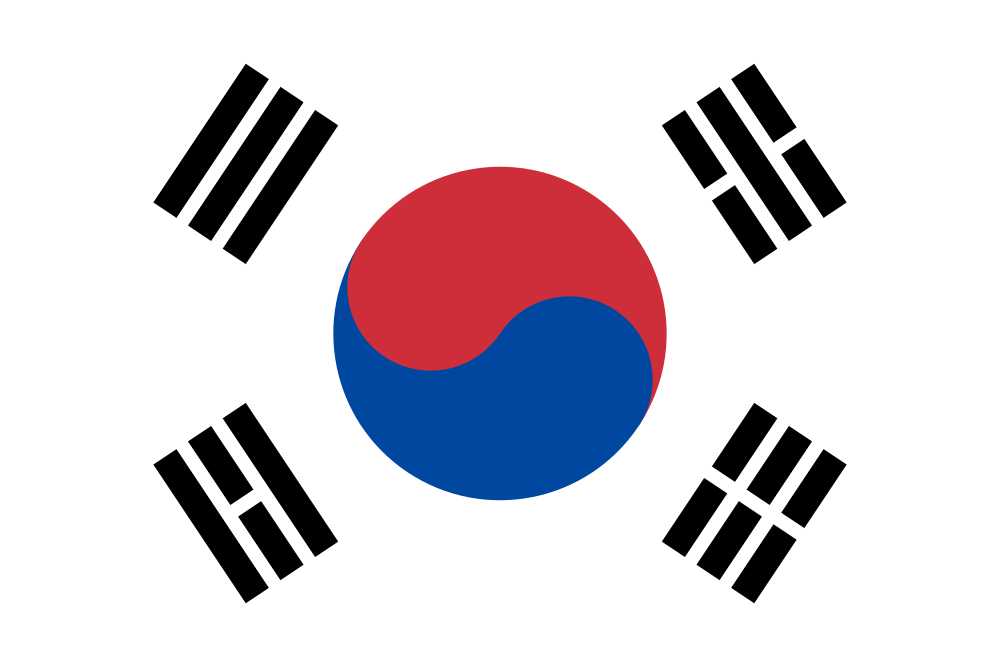
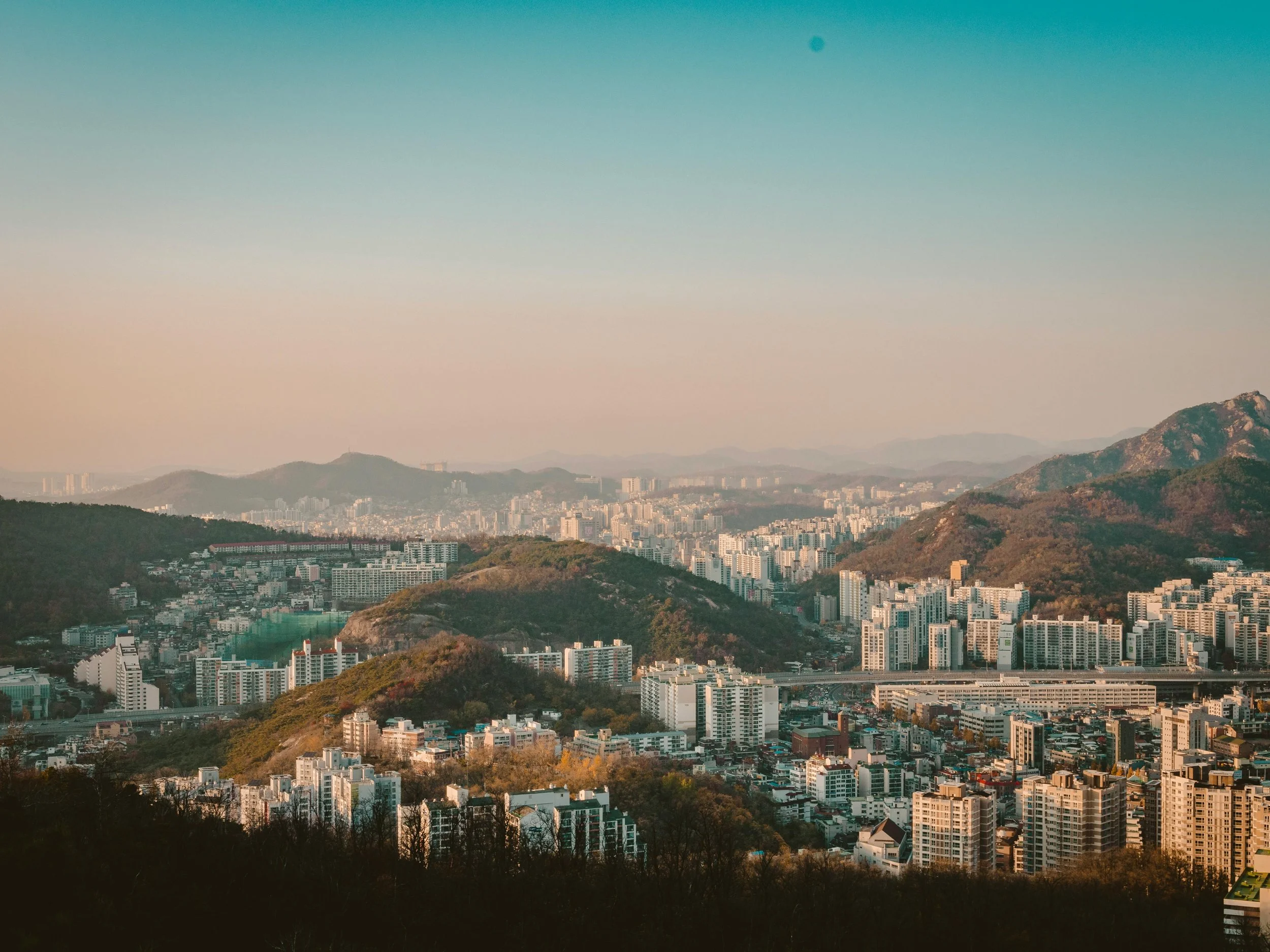
South Korea is a country located in East Asia on the southern half of the Korean Peninsula. It is bordered by North Korea to the north, the Yellow Sea to the west, and the Sea of Japan (East Sea) to the east, while its southern coast looks toward the East China Sea. South Korea covers an area of approximately 100,210 square kilometers and has an estimated population of 51.6 million as of February 2026. The country is a presidential republic administratively divided into one special city (Seoul), six metropolitan cities, one special self-governing city (Sejong), and nine provinces (including two special self-governing provinces: Jeju and Gangwon).
In 2025, the GDP reached approximately US$1.79 trillion, and per capita GDP was US$35,962. South Korea's economy is heavily dominated by the service sector, which accounts for c.58.4% of its GDP, including finance, retail, and professional services. Strong semiconductor exports and a recovery in domestic consumption are the primary drivers of economic growth. The country’s economy is a global high-tech manufacturing hub, deeply integrated into international supply chains for electronics and automobiles. Its largest trading partners are China, the United States, and Vietnam. South Korea is a global leader in the production of semiconductors, display panels, refined petroleum, and ships; it is also a major exporter of automobiles and auto parts. The "AI Transformation" and "Ultra-Innovative Economy" initiatives are expected to be major future growth drivers. Additionally, the tourism sector has returned to pre-pandemic strength, contributing c.3.8% to the GDP in 2025 with over 16.4 million international arrivals. The country's industrial sector represents approximately 31.6% of its GDP and employs about 24% of the workforce, while the agricultural sector accounts for c.1.5% of GDP and employs 5.3% of the total labor force of 29.6 million. Imports of crude petroleum, natural gas, and integrated circuits are among the highest in the country, with top import partners being China, the United States, Japan, and Australia.
South Korea has a rich history dating back to ancient kingdoms like Gojoseon and Silla, later followed by the Joseon Dynasty. After the division of the peninsula and the devastation of the Korean War (1950–1953), the nation achieved the "Miracle on the Han River," transforming from one of the world's poorest countries into a leading global economy and cultural powerhouse. Today, South Korea is renowned for its global influence in technology and the arts, spearheaded by the "Korean Wave" (Hallyu) encompassing music, cinema, and gastronomy.