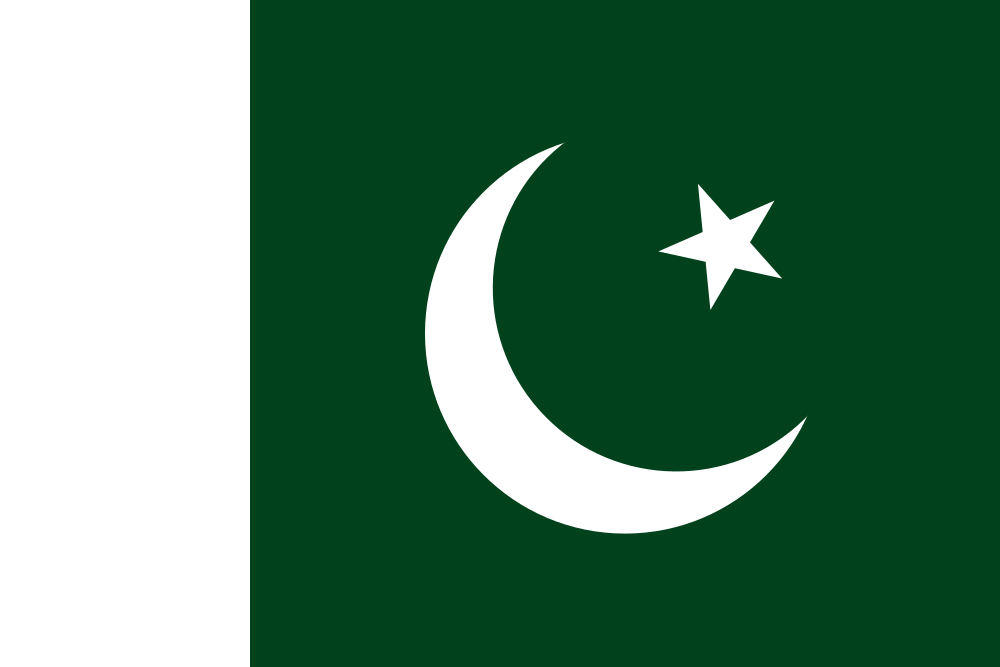
/ Islamic Republic of Pakistan
Overview
Pakistan is a country located in South Asia at the crossroads of Central Asia and the Middle East. It is bordered by India to the east, Afghanistan to the west, Iran to the southwest, and China to the northeast, with the Arabian Sea forming its southern coastline. Pakistan covers a total land area of approximately 796,095 square kilometers and has an estimated population of 259.3 million as of February 2026, making it the fifth most populous nation in the world. The country is a federal parliamentary republic administratively divided into four provinces: Punjab, Sindh, Khyber Pakhtunkhwa, and Balochistan: along with the Islamabad Capital Territory and the territories of Azad Jammu and Kashmir and Gilgit-Baltistan.
In 2025, the GDP reached approximately US$390 billion, and per capita income was US$1,824. Pakistan's economy is largely driven by the service sector, which accounts for c.58.4% of its GDP, with wholesale and retail trade being its largest components. Domestic consumption and workers' remittances are the primary drivers of economic activity. The country’s economy is a significant participant in the global textile supply chain, which contributes over 60% of total export earnings. Its largest trading partners are China, the United States, the United Arab Emirates, and the European Union. Pakistan is a leading producer of cotton, rice, wheat, and sugarcane; it also exports specialized products such as surgical instruments and sports goods (notably world-class footballs). The information technology sector and large-scale mining projects, particularly in copper and gold, are expected to be major future growth drivers. Additionally, the tourism and travel sector has seen renewed interest, contributing c.6.0% to the GDP in 2025. The country's industrial sector represents approximately 19.1% of its GDP, while the agricultural sector remains a critical pillar, accounting for c.23.5% of GDP and employing 33.1% of the total labor force. Imports of refined petroleum, machinery, and chemicals are among the highest in the country, with top import partners being China, the UAE, and Saudi Arabia.
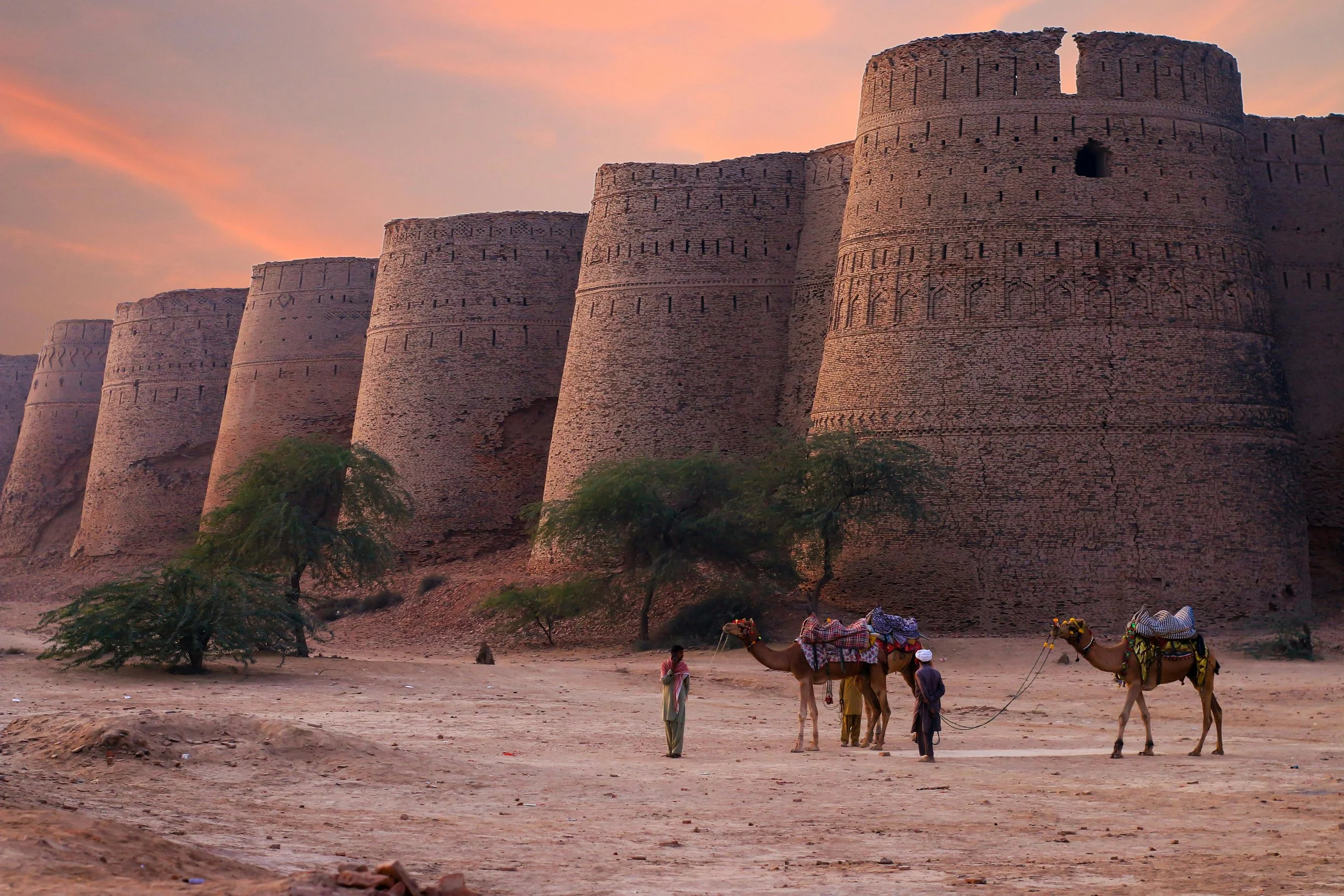
Pakistan has a rich history as the site of the ancient Indus Valley Civilization, one of the world's oldest. The modern state was established on August 14, 1947, following the partition of British India as a homeland for Muslims in the region. Since then, Pakistan has navigated various political transitions and is currently focused on structural economic reforms under international programs to ensure long-term fiscal stability and sustainable development.