/ Republic of the Philippines
Overview
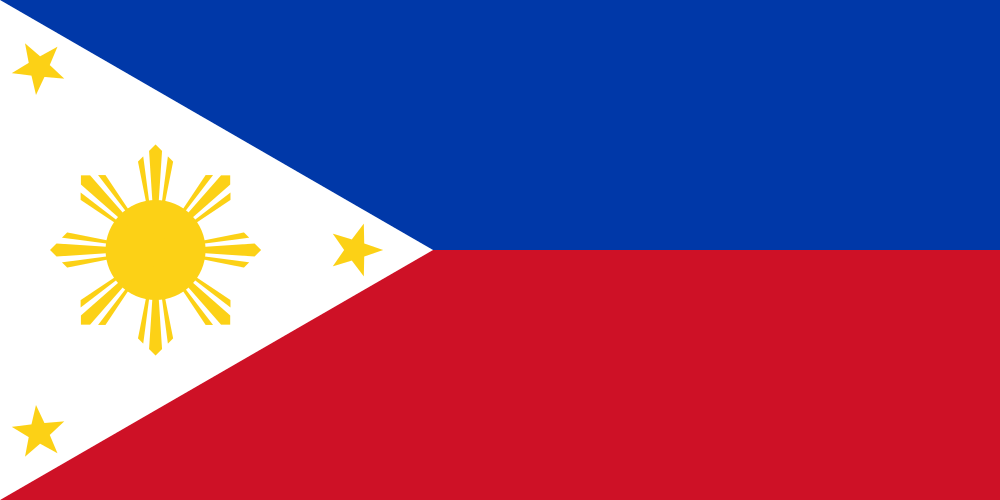
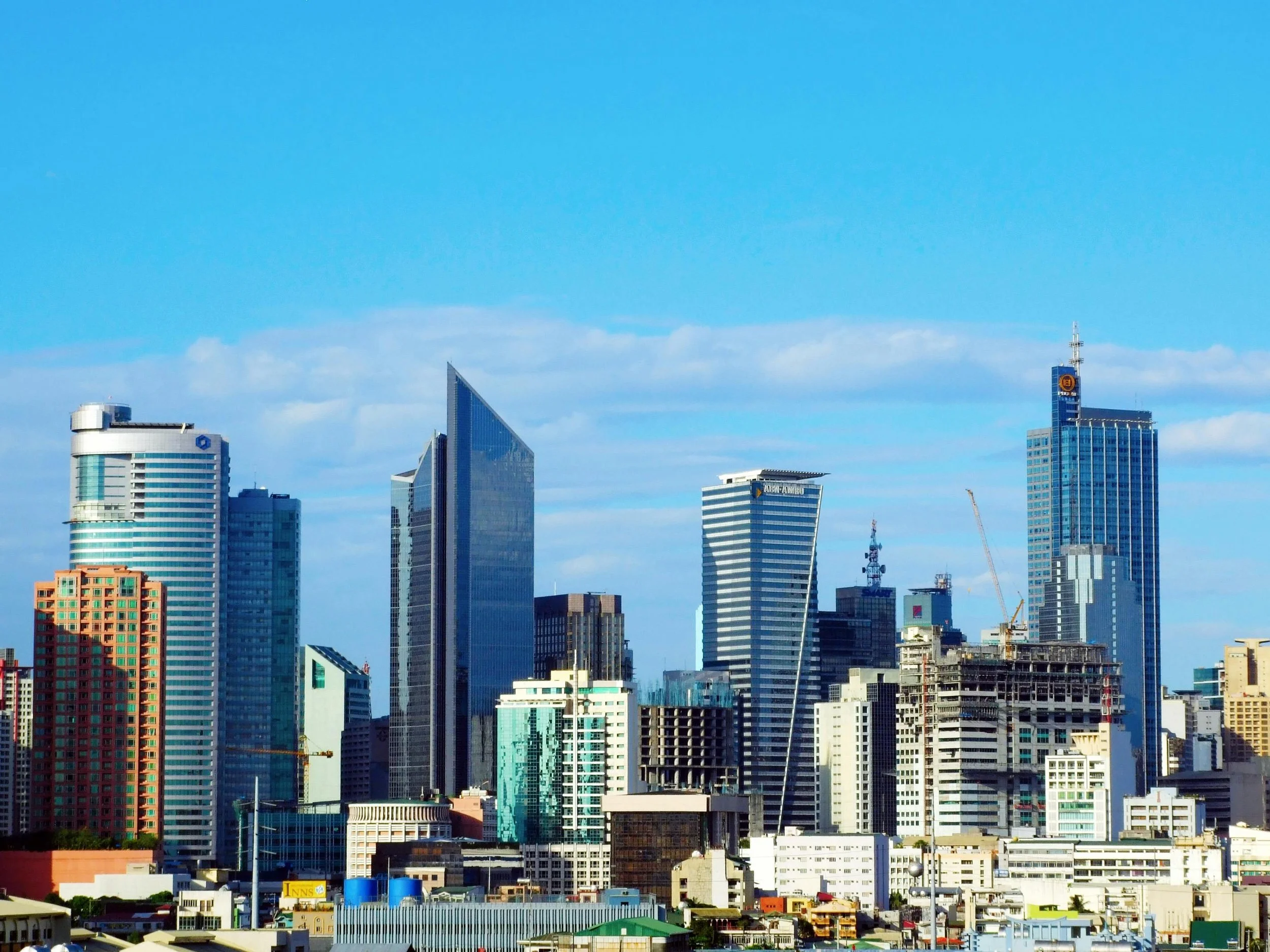
The Philippines is an archipelago nation located in Southeast Asia, situated in the western Pacific Ocean. It is bounded by the South China Sea to the west, the Philippine Sea to the east, and the Celebes Sea to the southwest, sharing maritime borders with China, Vietnam, Malaysia, Indonesia, and Palau. The Philippines covers a total land area of approximately 300,000 square kilometers and has an estimated population of 117.8 million as of February 2026. The country is a unitary presidential constitutional republic administratively divided into 17 regions and 82 provinces, with the National Capital Region (NCR) serving as its political and economic heart.
In 2025, the GDP reached approximately US$493.3 billion, and per capita GDP was US$4,300. The Philippine economy is heavily dominated by the service sector, which accounts for c.64.4% of its GDP, driven by business process outsourcing (BPO), financial services, and retail trade. Household consumption and remittances from Overseas Filipino Workers (OFWs) are the primary drivers of economic growth. The country’s economy is a major player in the global electronics supply chain, with semiconductors and electronic products making up more than half of its total exports. Its largest trading partners are the United States, Japan, China, and Singapore. The Philippines is a global leader in the production of nickel ore and integrated circuits; it also exports agricultural commodities such as bananas, pineapples, and coconut oil. The digital economy, renewable energy projects, and large-scale infrastructure development under the "Build Better More" program are expected to be major future growth drivers. Additionally, the tourism sector has reached historic highs, contributing c.21% to the GDP in 2025. The country's industrial sector represents approximately 26.9% of its GDP, while the agricultural sector accounts for c.8.6% of GDP and employs about 24.3% of the total labor force of 50.1 million. Imports of refined petroleum, electronic components, and transport equipment are among the highest in the country, with top import partners being China, Japan, Indonesia, and South Korea.
The Philippines has a rich history that includes the arrival of the Negrito peoples tens of thousands of years ago, followed by Austronesian migrations and centuries of trade with neighboring Asian empires. The country was under Spanish colonial rule for over 300 years after the arrival of Ferdinand Magellan in 1521, followed by a 48-year period of American administration. Since gaining full independence on July 4, 1946, the Philippines has transitioned from an agricultural economy to one of the most dynamic emerging markets in the region.